BioRadar
From one litre of water.
Turns raw eDNA reads into a species list, an invasion forecast and a tamper-evident record, in English or Hindi. From one litre of water to a decision.
The problem
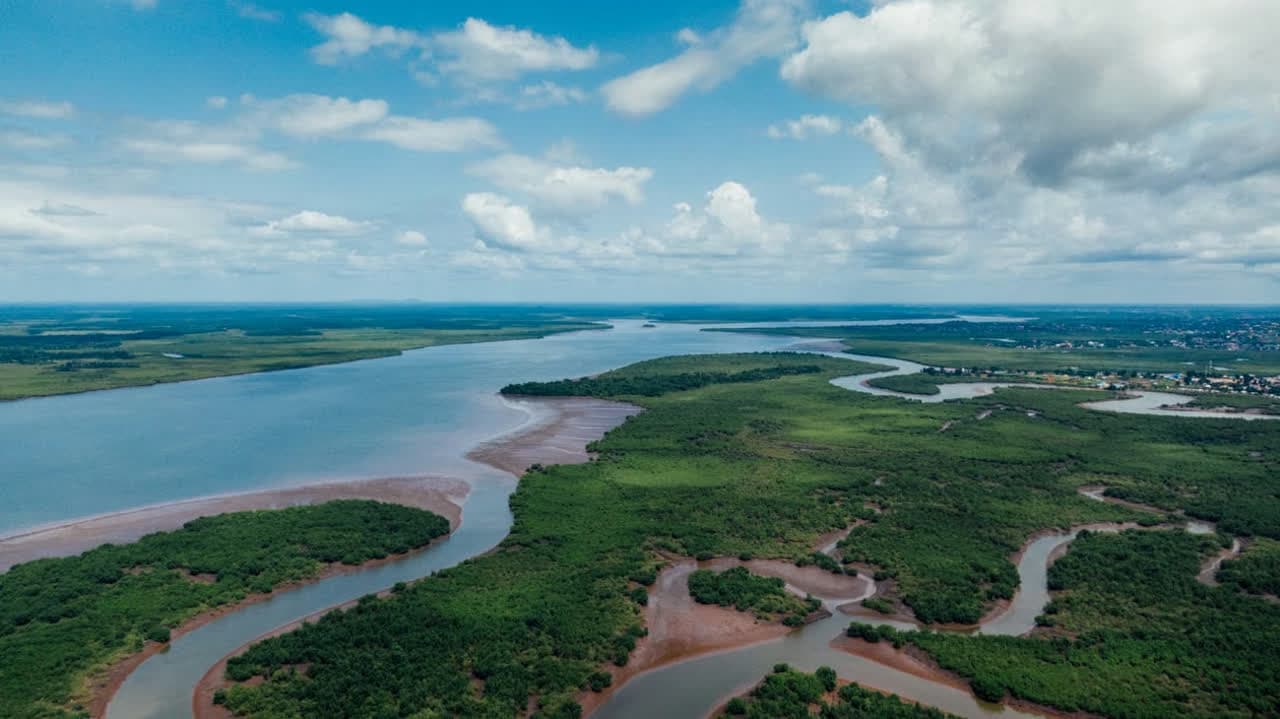
Environmental DNA lets you sample a river by filling a bottle. The lab does the rest: filter, amplify, sequence. The output is a pile of short reads and a bioinformatics pipeline that assumes you have a week and a PhD.
A water authority does not need a pile of reads. It needs to know which species are present, which ones do not belong, and whether the result can be defended six months later. The gap between those two things is where most eDNA projects stop.
The decision
We froze a data contract first. Every stage of the pipeline writes to the same schema, so the dashboard, the report and the tests all speak the same language. Then we curated a COI reference for Indian waters rather than relying on a global database that is unevenly sampled.
Every result is written into a Merkle ledger. Change a record and the root changes. That gives a non-specialist a way to check integrity without trusting the person who produced the file.
A biodiversity result is only useful if someone can defend it later. The ledger is what makes that possible.
The build
The pipeline uses QIIME 2 with DADA2 and vsearch, wrapped in Docker so the analysis is reproducible. A React dashboard presents the species list, the invasion-risk view and the evidence behind each call. Fourteen intelligence engines turn the output into readable signals rather than raw tables.
The interface works in English and Hindi. The record is tamper-evident, and the whole run is packaged so a reviewer can follow a species from a read count to a claim.
- QIIME 2 / DADA2 / vsearch pipeline in Docker
- India-curated COI reference with 8,020 species
- Merkle ledger for a tamper-evident result
- Fourteen intelligence engines, English and Hindi interface
- 76 tests, including a mislabelled NCBI record caught by the checks
The evidence
The system detected 80 of 80 planted species at their exact read counts with zero false positives. It passed 76 tests. The reference covers 33,611 sequences across 8,020 species.
During development the validation caught a mislabelled record in NCBI. That is the kind of error that quietly propagates through a biodiversity study, and exactly the kind of thing the ledger and the checks were built to expose.
What I learned
The science was the easy part to admire and the hard part to make legible. The real work was designing the contract between the pipeline and the person who has to make a decision with it.
I also learned that trust is a feature you build, not a sentence you add to the report. The ledger, the frozen schema and the visible evidence all do the same job: they let someone check the machine without having to believe it.